


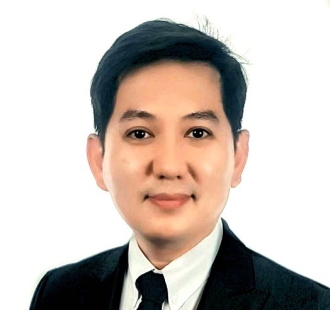


研究興趣
•Hemodynamic Monitoring、Cerebral Monitoring、ERAS、TIVA、TCI、Cardioprotection、Transplantation、Hemodilution
學歷
• PhD in Medicine, Keio University, Tokyo, Japan – research in cardiac output and hemodynamic monitoring.
• Fellowship in Cardiac and Transplantation Anesthesia, Antwerp University Hospital, Belgium.
現職
• Associate Professor, Anesthesiology, Chiang Mai University
• Asia Representative of WFSA Council, World Federation of Society of Anesthesiologists(WFSA)
• Board of Directors, Asian Society of Cardiothoracic Anesthesiologists(ASCA)
• Board of Directors, World Society of Intravenous Anesthesia(WorldSIVA)
• Board of Directors, Asia Anesthesia Forum(AAF)
In recent years, the approach to hemodynamic management has evolved significantly—from static pressure-based targets to a more dynamic, individualized, and physiology-driven strategy. Traditional endpoints such as mean arterial pressure(MAP) or central venous pressure(CVP) often fail to reflect actual tissue perfusion and oxygen delivery, particularly in high-risk surgical and critically ill patients.
This presentation introduces essential concepts in modern hemodynamics, highlighting the importance of perfusion pressure(MAP minus CVP) over MAP alone, and the need to focus on flow-based resuscitation rather than pressure-based thresholds. We will also emphasize the role of microcirculation, discussing how disruptions at the microvascular level may persist despite normalized macrocirculatory parameters, leading to poor outcomes. Technologies such as near-infrared spectroscopy(NIRS) and emerging tools for assessing tissue oxygenation and hemodynamic coherence will be explored. Key elements will include functional hemodynamic monitoring(FHM), preload responsiveness, cardiac output optimization, and oxygen delivery(DO₂)-based therapy.
Practical strategies and clinical algorithms will be provided to support individualized, perfusion-guided hemodynamic management. Attendees will leave with a deeper understanding of how to integrate advanced monitoring, perfusion physiology, and microcirculatory assessment into daily practice—shifting the paradigm toward safer, more effective perioperative and critical care.
