
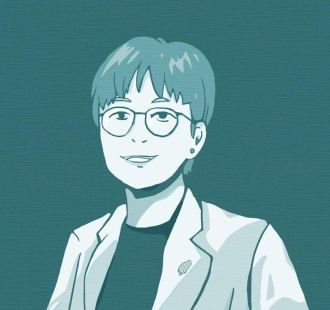


Research Interests
• General Mental Health Issues, TMS Therapy, MMT, Counseling on Emotional and Sex Education for Children and Adolescents, Parental Counseling
Education Background
• Master of Neurology, Kaohsiung Medical University
• Department of Medicine, Kaohsiung Medical University
Current Position
• Psychiatrist, Yuan's General Hospital
Professional Experience
• Resident Physician, Kaohsiung Chang Gung Memorial Hospital
• Resident Physician, Kaohsiung Medical University Chung-Ho Memorial Hospital
• Chief Resident, Kaohsiung Medical University Chung-Ho Memorial Hospital
• Clinical Research Physician in Child and Adolescent Psychiatry, Kaohsiung Medical University Chung-Ho Memorial Hospital
• Attending Physician, Kaohsiung Medical University Chung-Ho Memorial Hospital
The medical workplace is often regarded as a symbol of professionalism and collaboration, yet behind the white coat lies “invisible wounds” — bullying, sexual harassment, and psychological trauma. Hierarchical culture, high-pressure training, and power imbalances may result in humiliation, exclusion, and verbal abuse; while sexual harassment often hides behind jokes or power-based interactions, leaving victims silent out of fear of retaliation or jeopardizing career advancement. These experiences not only lead to anxiety, depression, and post-traumatic stress disorder (PTSD), but also erode team trust and ultimately compromise patient safety and quality of care. However, the emphasis within medical culture on “endurance” and “strength” often renders these wounds unseen and unaddressed. In the absence of transparent reporting and support systems, the problems are more easily concealed. Effective responses include increasing awareness and sensitivity to bullying and harassment, establishing confidential and safe reporting channels, providing psychological and legal support, and fostering an organizational culture rooted in respect and equity. Psychiatrists working in healthcare settings may be especially attuned to how such “invisible trauma” affects the mental and physical well-being of healthcare workers. Only by confronting and addressing these hidden scars can we build a safe, supportive, and sustainable medical environment.