
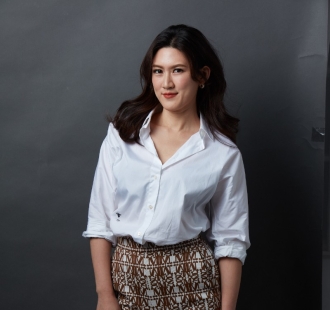


Research Interests
• Breast Surgery (Breast Augmentation, Breast Reduction, Fat Transplantation, Nipple-Areola Surgery, Gynecomastia), Vaginal Rejuvenation, Labiaplasty, Oculoplastic Surgery, Fat Grafting
Education Background
• School of Medicine, Taipei Medical University
Current Position
• Director/ Attending Plastic Surgeon, Division of Plastic and Reconstructive Surgery, Department of Surgery, Kaohsiung Medical University Gangshan Hospital
• Attending Plastic Surgeon, Division of Plastic and Reconstructive Surgery, Department of Surgery, Kaohsiung Medical University Hospital, Kaohsiung, Taiwan
• Plastic Surgeon, Taipei Arts Clinic
• Chief Executive Officer (CEO), Espremium Aesthetic Clinic
Professional Experience
• Board Member, Taiwan Society of Aesthetic Plastic Surgery (TSAPS)
• Member, International Society of Aesthetic Plastic Surgery (ISAPS)
• Member, International Society of Plastic and Regenerative Surgeons (ISPRES)
•Member, Asian Society for Breast Plastic and Reconstructive Surgery
The field of anesthesia within aesthetic medicine has undergone significant transformation over the past decades, paralleling the expansion of office-based and minimally invasive procedures. Traditional reliance on general anesthesia in hospital settings has gradually shifted toward a spectrum of anesthetic modalities, including local infiltration, tumescent anesthesia, regional blocks, and monitored anesthesia care. These approaches not only reduce perioperative risks but also enhance patient comfort, shorten recovery time, and optimize resource utilization. From the perspective of a practicing plastic surgeon, this presentation provides a critical appraisal of the evolving anesthetic practices in aesthetic medicine. Emphasis will be placed on patient selection criteria, risk stratification, pharmacological advancements, and the integration of multimodal analgesia and Enhanced Recovery After Surgery (ERAS) protocols. Furthermore, real-world clinical observations and practical experiences will be discussed, with attention to complication management and workflow optimization in ambulatory surgical environments. The aim is to delineate best practices and future directions for anesthesia in aesthetic medicine, bridging the gap between clinical efficacy, patient safety, and procedural efficiency.