
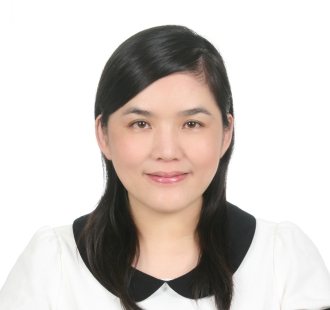


Research Interests
•Healthcare Quality, Patient Safety
Education Background
•Master's Degree, Graduate Institute of Health Care Management, Taipei College of Nursing
Current Position
• Deputy Secretary-General, Taiwan Healthcare Quality Association
• Reviewer, Development Center, Joint Commission of Taiwan (JCT)
Professional Experience
•Deputy director, Taipei Hospital, Ministry of Health and Welfare
•Project Management, Cathay General Hospital
In the field of anesthesia, we race against time every day—making precise judgments and managing clinical scenarios that may appear routine yet carry high levels of risk. Whether it’s the relay of commands inside the operating room, coordinated task distribution during rapid sequence induction, or the team’s response in a sudden airway emergency, we have all experienced this truth firsthand: no matter how advanced an individual’s skills are, they can never replace a well-coordinated team.
This session centers on Team Resource Management (TRM), drawing insights from aviation, high-stress industries, and critical care medicine. Together, we will re-examine the value of teamwork in clinical practice and learn how to transform structured tools into “actionable strategies” that seamlessly integrate into daily workflows.
In this 30-minute talk, we will move beyond abstract concepts. Our goal is to make teamwork visible, executable, and sustainably effective. We will introduce practical TRM tools, including Leadership, Situation Monitoring, Mutual Support, Closed-loop Communication with dynamic transition, and strategies to maintain clear decision-making processes under pressure. We will reflect on a common scenario: when someone says, “Prepare for intubation,” why can some teams respond with highly coordinated action in under thirty seconds, while others fall into disorganized chaos? The difference is not clinical knowledge—it lies in whether the team shares a Shared Mental Model.
Modern healthcare emphasizes a patient safety culture, but safety cannot be achieved through one-time drills or individual vigilance. It emerges when every team member is willing to speak up, support one another, and, in critical moments, “say the right thing and do the right thing.” We will share how TRM tools can enhance human performance in anesthesia workflows without increasing workload, shifting communication from “based on tacit understanding” to “guided by clear structure,” and transforming task division from “everyone doing their own part” to “actively covering each other’s blind spots,” ultimately meeting the standard of a High Reliability Team.
If you’ve ever wished your team could move faster during an emergency intubation, communicate more clearly during a massive bleeding situation, or synchronize critical information better during cardiopulmonary bypass handover, this session will offer concrete, actionable strategies. When we begin to manage “human resources” with a systemic approach, expertise is no longer just an individual performance—it becomes a product of collaborative intelligence.
You are invited to step into the world of TRM and help transform anesthesia care from individual skill–driven to team intelligence–driven, building a more resilient and precisely responsive clinical team for every patient’s safety.